


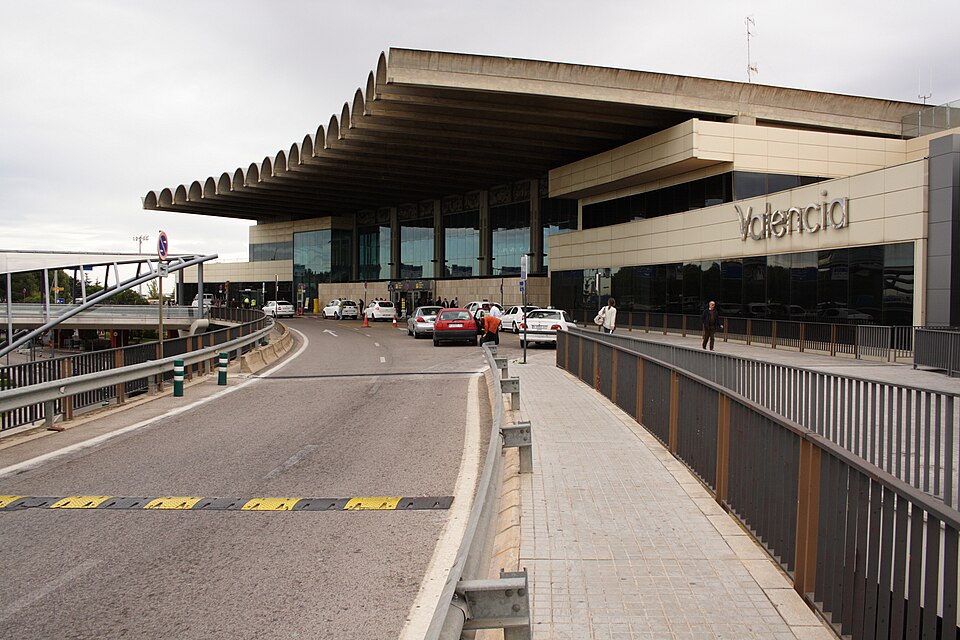
When the power fails at an airport, a hospital or a data centre, everyone thinks of the generators. But a generator is only as reliable as the diesel that reaches it. When an emergency power system fails, the cause is rarely the engine. It is an empty day tank, a pump that does not start, or a spill that shuts the plant down.
The weak link is getting fuel to the engine
Large emergency power plants are typically built with one or more main tanks and a day tank at each generator. The day tank must be kept full automatically while the plant runs, often for many hours at a time. That sets three requirements:
- Filling must happen by itself, controlled by the level in the day tank, not by someone who has to remember.
- No single point may stop everything. One pump can fail, but not two at the same time.
- Spills and leaks must be detected immediately. A release can mean shutdown, clean-up and fines – and then the emergency power stops anyway.
How it was solved in Valencia
At Valencia Airport, the Spanish manufacturer Inpro supplied the fuel system for a power station with six generators, configured as primary and redundant units. The system is built on Inpro’s ATAM-GET pumping system:
- One ATAM-GET unit per day tank, each with two alternating motor pumps. If one fails, the other takes over.
- Automatic level control with a level probe and level switch in each day tank that starts filling from the main tank.
- Two double-wall main tanks, with the interstitial space monitored by a vacuum-based leak detector.
- Collector tray with spill detector and solenoid valves, so a release is both detected and stopped.
- Three touch-screen control panels communicating with each other and with central monitoring via Modbus, with status and alarm signals for fault handling.
The pipework is sized to DIN 4755 with controlled velocity on both the pressure and suction side – important for reliability when the pumps must deliver steadily for long periods.
Where else does this matter?
Airports are not alone in these requirements. The same questions apply wherever emergency power must not fail:
- Hospitals and care homes, where emergency power must run around the clock.
- Data centres, where uptime is the whole business.
- Waterworks, wastewater plants and district heating stations, which must keep running during outages.
- Ports, shipyards and the fishing industry, where diesel is also the operating fuel.
What they have in common is one question worth asking: what happens to the fuel supply if a pump or a sensor fails while the plant is running?
Inpro at Arne Nielsen A/S
Arne Nielsen A/S distributes Inpro, which develops and manufactures equipment for the safe handling of oil and diesel – including transfer, level control and leak monitoring. If you have an emergency power plant, a day tank or a tank installation to review, we are happy to help find the right solution.
Sources
- Inpro: ATAM-GET pumping system – Valencia Airport
- Photo: א (Aleph), CC BY-SA 3.0, via Wikimedia Commons

Contact
Write to us at info@arnenielsen.dk with a short description of the installation and we will get back to you.
Are you an installer or distributor interested in working with Arne Nielsen A/S? Write to info@arnenielsen.dk with your VAT or company registration number.